Request heat pump repair & installation for a property in Nanticoke. Include the equipment, the problem or planned work, and your location so the request can be reviewed.
When should a heat pump be repaired, and what changes the scope of a replacement?
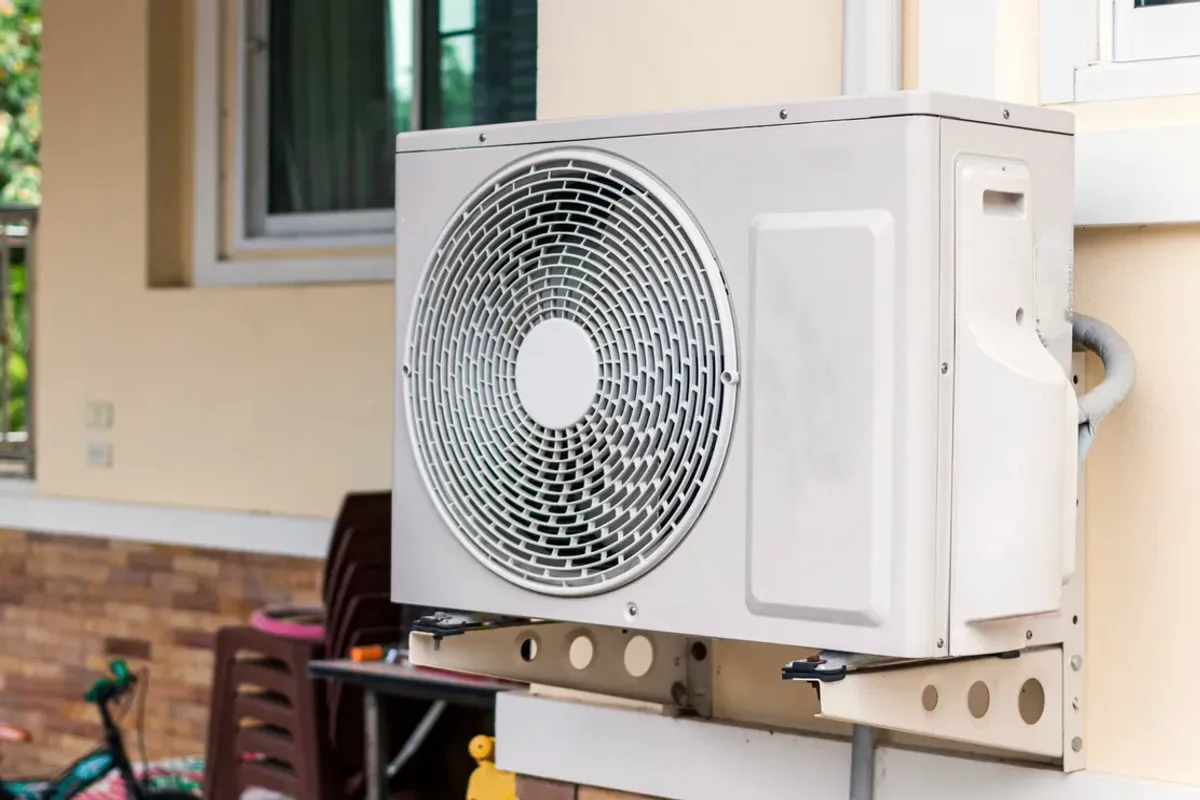
A heat pump serves heating and cooling through connected indoor and outdoor equipment, so a fault can affect one mode or both. Frost on an outdoor unit, uneven heating or cooling, unusual noise, or a system that will not change modes calls for diagnosis rather than an assumption that the whole unit has failed. Defrost controls, a reversing valve, electrical components, and the refrigerant circuit are distinct possibilities. For installation, existing ductwork or a ductless layout and the property's heating requirements shape equipment selection.
Diagnosis records whether heating, cooling, or both modes are affected and compares operating symptoms with outdoor-unit condition, controls, airflow, and equipment fault information. A frost pattern must be considered alongside conditions and defrost operation, not treated alone as proof of failure. Installation assessment also considers the building's heating requirements, ductwork or ductless distribution, and equipment compatibility. These observations distinguish repair from replacement planning.
Heat pump heating and cooling faults, including frost and defrost concerns.
Reversing valves, controls, electrical components, and refrigerant-circuit diagnosis.
Ducted or ductless installation planning and repair-versus-replacement decisions.
Assessment and Scope
Questions for the Proposed Work
01
Investigate frost and operating-mode faults
Frost on an outdoor unit may be part of normal operation in some conditions, but persistent or unusual frosting can warrant checking defrost operation and related controls. A heat pump that does not heat or cool properly may also involve a reversing valve, electrical component, or refrigerant-circuit fault. Diagnosis compares the reported mode with system operation and available fault information. Refrigerant and internal electrical work require qualified service; frost alone does not establish compressor damage.
02
Match installation scope to distribution
A replacement or new installation should reflect how heat and cooling will reach the occupied rooms. A ducted heat pump depends on the condition and suitability of existing ductwork, while a ductless system uses indoor units positioned to serve defined areas. The property's heating requirements and equipment compatibility inform sizing and selection. A conversion from another heating arrangement is a separate project scope, not simply a like-for-like equipment swap.
03
Make repair and replacement separate choices
A specific fault such as a failed control component may support repair if the remaining system is in suitable condition. Maintenance checks of coils, filters, connections, refrigerant operation, and defrost function should follow inspection findings and manufacturer instructions. Replacement merits comparison when major components or multiple faults make continued repair uncertain. The decision should explain the diagnosis, the condition of the existing equipment, and any installation changes required.
Compare the next step
Ask how backup heat behaves when the owner is away and what monitoring can confirm. Record the approved operating settings, who receives alerts, and who can provide access. The absence plan should account for equipment service and the property consequences of lost heat, rather than simply installing remote controls.
Cold-climate capability does not prove that one model covers every home heating load. Ask how the selected equipment and supplementary heat meet the actual design requirements.