
Share the property details
Send the location, equipment, symptoms or planned changes, and who can approve the work. Existing labels and service records help define the request.
Request heating, cooling or maintenance for your Nanticoke property. Choose the work and describe the equipment or symptoms. Coverage, pricing and appointments require confirmation.
Is something not working, or are you planning an installation or maintenance?
Choose the work you need and describe what changed, when it began, and which equipment is involved. For a planned project, include the outcome you want and any access or scheduling constraints.
View furnace repair services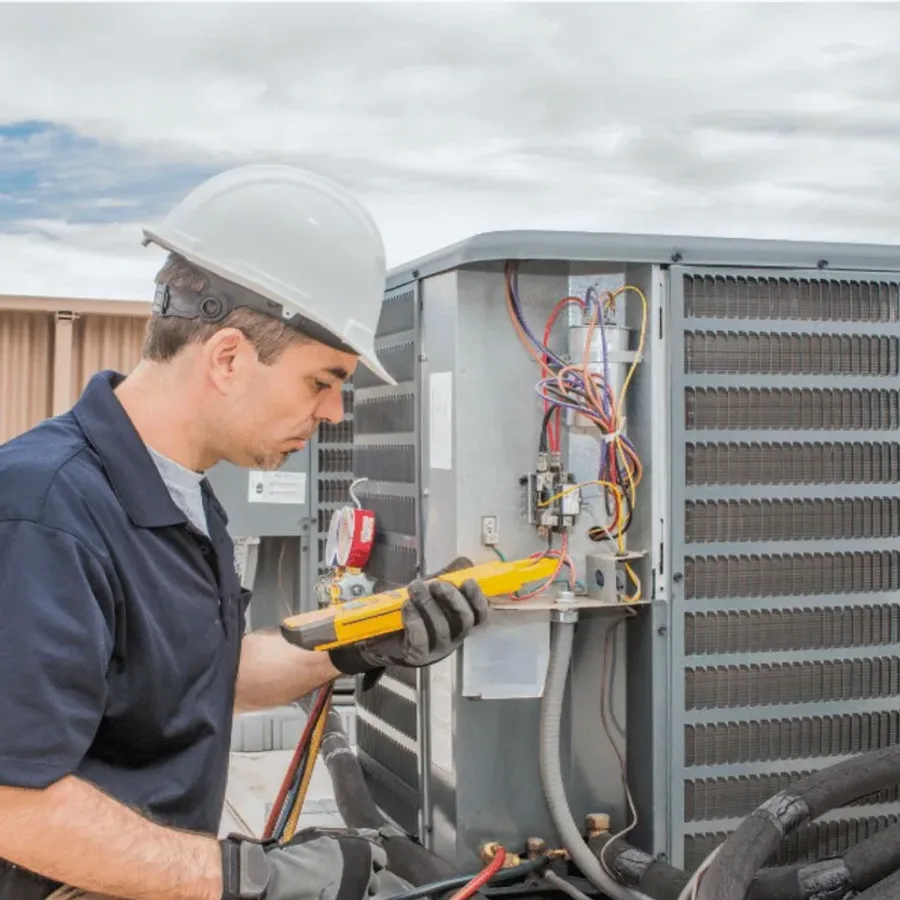
Describe the work first, then confirm the people, timing, and terms before making a commitment.
Send the location, equipment, symptoms or planned changes, and who can approve the work. Existing labels and service records help define the request.
The enquiry team reviews the request and shares it with a relevant service provider for follow-up using your contact details. Confirm contractor coverage, qualifications and how the property will be assessed before agreeing to an appointment.
Ask which findings support the work, what is included or excluded, and how completion will be checked. Agree on pricing and terms with the contractor.
Start with the installed equipment and its manufacturer instructions. Maintenance needs depend on the appliance and its use. Keep service records and ask a qualified contractor which seasonal inspections apply.
When requesting work for a property in Nanticoke or nearby Brantford, Paris and Caledonia, agree on who can respond locally if remote temperature monitoring shows a problem. Ask which alerts the installed controls provide and which conditions require on-site assessment. Keep the appliance information and access instructions available to that person; internet connectivity alone does not establish that heating remains dependable.
A useful assessment records whether the furnace starts, how it behaves during a heating cycle, and which rooms or vents are affected. The model, fuel, displayed fault information, and history of prior failures help narrow the diagnosis. Ignition, airflow, blower, and safety-control faults require different tests, so one symptom alone does not establish the needed repair.
A furnace that will not ignite may have a failed igniter or another burner-control fault, while a furnace that starts and stops may be responding to restricted airflow or a limit-control issue. Diagnosis should distinguish these causes rather than treating every no-heat complaint alike. Filter condition, airflow observations, operating sequence, and equipment fault information help identify the appropriate repair. Fuel and combustion components require qualified service, not occupant troubleshooting.
A booming sound at burner startup, scraping near the blower, and rattling from ductwork point to different areas for inspection. A complaint about uneven heating also calls for comparing which rooms are affected and whether airflow is weak at particular registers. These observations help separate a furnace fault from a distribution issue. The sound or temperature pattern should be documented for diagnosis, not treated as proof that a particular part has failed.
A single failed part may justify repair when the rest of the furnace is in serviceable condition. Maintenance is different: airflow, filters, burners, controls, and other components are checked according to inspection findings and manufacturer instructions. Repeated breakdowns, unavailable parts, or broader deterioration may prompt comparison with replacement, but age alone does not decide the outcome. A technician's findings should explain what failed and why repair or replacement is being considered.
Share the property location and the work you need so the request can be reviewed.